
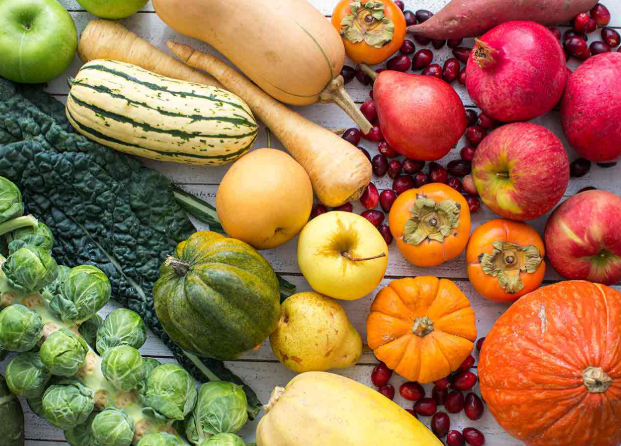
As the leaves turn and the chill sets in, November marks a beautiful transition in the produce world. Eating with the season means fresher flavor, better nutrition and a vibrant connection to the rhythms of nature, and as we transition from October seasonal produce to November seasonal produce, the tastes of fall continue to take hold.
What is the seasonal produce in November? In this guide, we explore the best of what November offers in vegetables and fruits.
You’ll discover what fruits are in season in November, dive deep into the top November vegetables and November fruits, and get practical tips on how to choose, store and prepare them.
Whether you’re meal-planning, shopping at a farmers’ market or simply curious about seasonal foods, November offers plenty of variety.
Why eating November seasonal produce matters
-
Peak nutrition: Produce harvested in its natural season tends to have higher levels of vitamins and antioxidants.
-
Better flavor and value: Foods in season are often tastier and more affordable due to local supply and less transport.
-
Environmental and local-economy benefits: Buying seasonal supports local farms and reduces the carbon cost of long-distance shipping.
-
Culinary inspiration: November produce invites comforting, warming dishes (roasts, soups, salads with crisp fruits) that are aligned with crisp weather and holiday menus.
How to build a November produce plate
-
Start with vegetables: For instance, roast Brussels sprouts, butternut squash and kale chips.
-
Add a vegetable-based starch: Mashed sweet potatoes or acorn squash wedges.
-
Choose one or more fruits as accents: Apple slices in salad, pomegranate arils sprinkled on foods, a side of poached pear for dessert.
-
Balance texture and temperature: Root vegetables bring warmth. Leafy greens add crisp cold. Fruits add bright flavor and natural sweetness.
-
Use storage-smart strategies: Store hardy squash and root veggies in cool dark places. Keep greens, berries and citrus in the fridge. Plan to use more delicate fruits early in the week.
Best November vegetables
What vegetables are in season in November? Here are some of the freshest and most available November vegetables:
1. Brussels sprouts
Brussels sprouts are the small, cabbage-like buds of the Brassica family. They’re rich in vitamins C and K, fiber, and glucosinolates, which support liver detoxification and antioxidant defenses.
Varieties: Common green-sprout and some purple varieties exist, including green globe, purple sprout and miniature baby Brussels sprouts.
How to choose and store: Select firm, tightly packed sprouts with bright green color. Avoid yellowed or mushy leaves. Store unwashed in a plastic bag in your fridge’s crisper drawer and use within about a week.
How to prepare: You can halve or leave Brussels whole for roasting, steaming, sautéing or stir-frying. They can be shredded into salads, added to soups or incorporated into casseroles.
-
Sheet-roast: Halve sprouts, toss with olive oil, sea salt, pepper, and roast at 425°F until caramelized and crisp.
-
Sauté with garlic and lemon zest for a quick side.
-
For a festive recipe: After roasting, toss with chopped pomegranate seeds and toasted walnuts for crunch.
-
Halved sprouts can be grilled and served with a balsamic glaze.
This baked Brussels sprouts with honey glaze recipe is a great place to start.
2. Butternut squash
A classic winter squash with sweet, creamy orange flesh, butternut squash is high in beta-carotene (a precursor to vitamin A), vitamin C, fiber and potassium. These nutrients support eye, liver and digestive health.
Varieties: Standard butternut, baby/mini butternut and sometimes “butternut hybrids.”
How to choose and store: Pick ones with a deep tan color and matte skin (not shiny), which indicates maturity. Avoid soft spots or mold at the stem. Store in a cool, dark place (basement or pantry) for up to a month. Once cut, wrap and refrigerate for three to four days.
How to prepare: Roast, mash, puree for soups, bake into breads, or use butternut squash as a filling in savory pies and casseroles.
-
Peel, cube and roast with sage and a drizzle of maple syrup.
-
Make a creamy butternut soup: Roast cubes, and blend with onion, garlic, vegetable stock or coconut milk, a hint of nutmeg, and finish with a swirl of Greek yogurt.
-
Use mashed butternut in place of mashed potatoes for added carotenoids.
Try this butternut squash bisque or a butternut squash salad.
3. Kale
Kale is a hearty leafy green rich in vitamins A, C and K, plus antioxidants and fiber. It supports digestion (thanks to fiber), the immune system and liver health (via glucosinolates) when consumed regularly.
Varieties: Curly green kale, “lacinato” or dinosaur kale, red Russian kale.
How to choose and store: Choose leaves that are vibrant and firm, with no wilting or yellowing. Store unwashed in a perforated bag in the fridge and use within five to seven days. For the best texture, rinse and spin dry.
How to prepare: Eat raw in salads, sauté, steam or bake into crispy chips. Kale can also be added to soups, stews and smoothies for extra nutrients.
-
Massage with olive oil, lemon juice and sea salt, and add roasted pumpkin seeds for a raw salad.
-
Sauté minced garlic in olive oil, add chopped kale, cook until tender and finish with a splash of apple cider vinegar.
-
Bake kale chips: Toss leaves with olive oil and sea salt and bake at 300 degrees Fahrenheit until crisp.
More ways to use kale include in a collagen kale smoothie or these kale quinoa cakes with lemon dill yogurt sauce.
4. Sweet potatoes
Sweet potatoes are tubers rich in beta-carotene, vitamin C, fiber and resistant starch (when cooled). They are known to support gut health, stable blood sugar levels and liver function.
Varieties: Orange-fleshed, purple-fleshed and white-fleshed.
How to choose and store: Pick firm tubers with smooth skin and no sprouts or soft spots. Store in a cool, dark place (not refrigerated) for up to a month.
How to prepare: Bake, roast, boil, mash, or use sweet potatoes in soups, stews and gratins. Sweet potatoes can also be spiralized into noodles or incorporated into baked goods.
-
Baked whole with skin on and finish with a dollop of Greek yogurt and chopped chives.
-
Sweet potato hash: Make diced sweet potato with black beans, roasted red pepper, cumin and cilantro, topped with a fried egg.
-
For a healthy mash: Roast cubes, mash with garlic and a splash of almond milk, and top with chopped pecans.
Sweet potato casserole is a classic recipe to make. If you’re looking for something a little different, try this sweet potato hummus recipe.
5. Acorn squash
Acorn squash has a nutty sweetness with deep orange flesh (inside a green outer shell) and offers vitamins A and C, fiber, and potassium. It’s great for supporting digestion and antioxidant protection.
Varieties: Green acorn, golden acorn and variegated acorn squash.
How to choose and store: Choose squash with dull, dark-green skin or orange spots (depending on variety). Avoid soft spots. Store whole at cool room temperature for several weeks. Once cut, store in the fridge, and use within a few days.
How to prepare: Roast acorn squash halved or cubed, mash, stuff with grains or protein, or add to soups and stews.
-
Roast halved squash; scoop out the seeds; fill with quinoa, cranberries and pecans; and bake until tender.
-
Slice into rings and roast with olive oil and thyme for an easy side dish.
If you’re looking for a set-it-and-forget-it recipe, this slower cooker acorn squash soup is perfect.
6. Parsnips
Parsnips are sweet, creamy root vegetables high in fiber, folate and vitamin C. They help promote healthy digestion and vascular function.
Varieties: Hollow crown, Gladiator, and Tender and True.
How to choose and store: Select smooth, firm roots with minimal blemishes. Avoid soft or green-tinted spots. Store in the fridge in a plastic bag for up to two weeks.
How to prepare: Roast, boil, mash, steam, or add parsnips to soups and stews. Parsnips can also be pureed for creamy sauces or baked into fritters.
-
Slice into sticks and roast with carrots and beets in apple cider vinaigrette.
-
Creamy parsnip-leek soup: Sauté leeks, add chopped parsnips and potato, simmer in stock, blend smooth, and finish with fresh parsley.
This creamy parsnip soup with rosemary is a sure winner.
7. Turnips
Turnips are cruciferous roots high in vitamin C, fiber and glucosinolates, which support detox processes and digestive health. The greens are also highly nutritious.
Varieties: Purple-top, Hakurei (Japanese) and Golden Ball.
How to choose and store: Choose firm roots with smooth skin and bright tops if the greens are attached. Avoid soft or green spots. Store roots in the fridge for up to a week, and keep the greens separately if present.
How to prepare: Roast, sauté, boil, mash, or add to soups and stews. The greens can be steamed, sautéed or added raw to salads.
-
Roasted turnips: Cube, and toss with olive oil, rosemary and sea salt. Roast until golden.
-
Mash turnips with cauliflower for a lower-carb mash alternative.
-
Turnip and bacon skillet: Sauté diced turnips and onion, add chopped bacon, and finish with a sprinkle of parsley.
8. Cauliflower
Cauliflower is a versatile vegetable rich in vitamin C, folate, fiber and antioxidants. Like other cruciferous veggies, it benefits liver enzyme activity and antioxidant defenses.
Varieties: White, orange, purple and Romanesco.
How to choose and store: Pick heads that are firm and compact, with no browning or soft spots. Store whole in the fridge unwashed and use within five to seven days.
How to prepare: Roast, steam, sauté, mash or rice this veggie. Cauliflower can be incorporated into soups, casseroles, pizza crusts or as a low-carb substitute for grains.
-
Cauliflower “steaks”: Slice thick, brush with olive oil, grill or roast, and finish with lemon juice and za’atar.
-
“Cauliflower rice”: Pulse florets in a food processor, and sauté lightly for a low-carb base under stews.
-
Cauliflower-cheese gratin: For classic comfort with lighter profile, use Greek yogurt instead of heavy cream.
Other great cauliflower recipes include mashed cauliflower, roasted cauliflower hummus, and cauliflower mac and cheese.
9. Cabbage
Cabbage is high in vitamins C and K, fiber, and phytonutrients that help with detox processes and gut health.
Varieties: Green, red, Savoy and Napa cabbage.
How to choose and store: Choose firm heads with tightly packed leaves and avoid browned outer leaves. Store in a plastic bag in the fridge for up to two weeks.
How to prepare: Shred for slaws, braise, sauté or stuff leaves. Cabbage is excellent in soups, stews, stir-fries, or fermented as sauerkraut or kimchi.
-
Shredded red cabbage slaw with apple, lemon and chopped pecans.
-
Braised cabbage: Cut into wedges, and sauté with onion and apple cider vinegar until caramelized.
-
Stuffed cabbage leaves: Use steamed leaves to wrap a quinoa/lentil/vegetable filling, bake in tomato sauce.
You can’t go wrong with this braised cabbage recipe.
10. Carrots
Carrots are root vegetables rich in beta-carotene, fiber, potassium, and antioxidants like lutein and zeaxanthin. They’re known to aid eye, liver and digestive health.
Varieties: Nantes, Danvers, Chantenay and Purple Haze.
How to choose and store: Look for firm, bright-colored carrots with no cracks. Small green tops are fine but can draw moisture, so remove them before storage. Store in the fridge in a plastic bag, ideally with a slightly damp paper towel to maintain moisture.
How to prepare: Eat raw, roast, steam, sauté, or incorporate into soups, stews, gratins and baked goods. Carrots can also be pureed or spiralized for noodles.
-
Honey-glazed carrots: Roast wedges, and then toss with a little honey, chopped thyme and sea salt.
-
Raw carrot and kale salad: Shred carrot, massage into kale with olive oil and lemon, and top with toasted pumpkin seeds.
-
Carrot-ginger soup: Sauté chopped carrot and onion, add fresh ginger, simmer in vegetable stock, blend smooth, and finish with a swirl of coconut milk.
The following carrot recipes are great if you’re craving something sweet but healthy:
11. Leeks
Leeks are mild alliums high in vitamin K, manganese and fiber. They also contain sulfur-compounds that support cardiovascular and liver health.
Varieties: King Richard, American Flag, Giant Musselburgh and Lancelot.
How to choose and store: Select firm stalks with a bright white base and green tops. Avoid limp ones. Store in the fridge loosely wrapped and use within a week.
How to prepare: Slice and sauté, braise, roast, or add to soups, stews, quiches and frittatas. They can also be used raw in salads or as a flavor base for stocks and sauces.
-
Leek and potato soup: Sauté sliced leeks in olive oil, add diced potatoes and broth, simmer, and blend.
-
Sautéed leeks as a side: Slice lengthwise, cook until soft, and finish with a splash of white wine and herbs.
Other November vegetables to add to your diet include:
-
broccoli
-
peas
-
pumpkin
-
spinach
-
artichokes
-
beets
-
kabocha squash
-
spaghetti squash
-
delicata squash
-
chard
-
mushrooms
-
celery
-
celery root
-
cucumbers
-
bok choy
-
potatoes
-
rutabaga
-
sweet onions
-
yams
Best November fruits
What fruits are in season in November? Some of the top choices when it comes to November fruits include:
1. Apples
Apples are classic fall fruits, rich in fiber (especially pectin), vitamin C and various flavonoids (like quercetin) that support antioxidant defenses and gut health. They are among the most popular November fruits.
Varieties: Northern Spy, Golden Russet, Winesap. Fuji, Honeycrisp, Braeburn, Pink Lady, Gala, and Granny Smith.
How to choose and store: Choose firm apples with smooth skin and no bruising. Store in the fridge crisper drawer, ideally in a plastic bag, separated from strong-smelling foods. They keep for several weeks.
How to prepare: Enjoy raw, sliced, or shredded into salads and slaws. Apples can be juiced, blended into smoothies, baked, sautéed, or roasted alongside meats and root vegetables.
-
Sliced apples with almond butter and a sprinkle of cinnamon for snack.
-
Baked apple crisp: Toss apple slices with a little maple syrup and oats and bake until bubbly.
-
Apple, kale and walnut salad: Thinly slice apples, mix with kale and toasted walnuts, and top with a vinaigrette of apple cider vinegar and olive oil.
There is no shortage of ways to use apples. Here are some apple recipes to try out:
2. Pears
Pears offer a gentle sweetness and smooth texture, supplying fiber, vitamin C and potassium. They’re also a source of boron, a trace mineral that supports bone health.
This November fruit can benefit digestion and help support blood sugar balance. In fact, pears have a low glycemic load when they’re eaten ripe.
Varieties: Bartlett, Bosc, Anjou, Comice and Seckel.
How to choose and store: If the pear is firm, leave at room temperature until it yields slightly at the stem end. This is ripe. Once ripe, store in the fridge to extend shelf life by a few days.
How to prepare: Slice fresh into salads, bake or poach for desserts, or blend into smoothies. Their mild flavor pairs beautifully with nuts, cheese and warm spices.
-
Poached pears: Simmer pears in red wine or apple cider with cinnamon sticks until tender and serve with Greek yogurt.
-
Pear and blue cheese crostini: Slice pears, caramelize them lightly, and top a toasted baguette with them, along with blue cheese, arugula and a drizzle of honey.
-
Chopped pear with quinoa and pecans salad with lemon-maple dressing.
This gut support smoothie includes pear, along with turmeric.
3. Cranberries
Fresh cranberries are high in vitamin C, fiber and proanthocyanidins, which may help support urinary tract and immune system health.
Varieties: Stevens, Ben Lear and Early Black.
How to choose and store: Choose bright-red, firm berries without soft or shriveled ones. They keep well. Store in the fridge in an airtight container for up to three weeks or freeze for up to a year.
How to prepare: Add cranberries to baked goods, oatmeal or chutneys; cook down into sauces; or blend frozen into smoothies for tart flavor.
-
Fresh cranberry sauce with orange zest and a touch of honey (instead of heavy sugar).
-
Cranberry-apple oatmeal muffins: Fold chopped cranberries and diced apples into oat-based batter.
-
Toss frozen cranberries in a fall salad of kale, roasted sweet potato, goat cheese, walnuts and balsamic vinaigrette.
These cranberry almond energy bites are another great way to use these November fruits.
4. Pomegranates
Pomegranates are packed with vitamin C, fiber, and antioxidants like punicalagins and anthocyanins that help combat oxidative stress and support heart and liver health. The arils (seeds) are also a good source of vitamin C and fiber.
Varieties: Wonderful (most common), Angel Red and Granada.
How to choose and store: Pick heavy fruits (indicating juicy seeds) with deep red color and tight skin (not cracked). Store whole at room temp for one to two weeks or in the fridge for up to a month. Once the arils are removed, store them in an airtight container in the fridge, and use within a few days.
How to prepare: Sprinkle the jewel-like arils over yogurt, salads or grain bowls; press for fresh juice; or simmer into glazes and sauces.
-
Sprinkle pomegranate arils over roasted Brussels sprouts or kale salad for a pop of color and tartness.
-
Pomegranate molasses glaze: Reduce pomegranate juice and honey until syrupy and use the combo to drizzle over grilled chicken or roasted squash.
-
Yogurt parfait: Layer Greek yogurt, granola and pomegranate seeds.
This pomegranate mocktail is perfect for the holidays.
5. Persimmons
Persimmons bring a honey-like sweetness and are rich in vitamins A and C, manganese, fiber and antioxidants that promote eye, skin, gut and immune system health.
Varieties: Fuyu and Hachiya.
How to choose and store: For Fuyu, pick firm but fully colored fruit. For Hachiya, choose one that gives slightly to gentle pressure (ripe). Fuyus can be eaten firm, while Hachiyas should feel very soft when ripe.
Store at room temperature until ripe. Once ripe, store in the fridge, and eat within a few days.
How to prepare: Slice fresh into salads, add to yogurt, bake into quick breads, or puree into smoothies and sauces.
-
Sliced persimmons on a cheese board with walnuts and blue cheese or goat cheese.
-
Persimmon bread: Fold diced ripe persimmon into whole-wheat batter with cinnamon and walnuts.
-
Persimmon and arugula salad: Thinly slice persimmons, and toss with arugula, pomegranate seeds and citrus vinaigrette.
6. Kiwi
Kiwi is small but nutrient-dense, offering more vitamin C per ounce than oranges, along with fiber and antioxidants that support immune and digestive health.
Varieties: Hayward (green flesh) and Golden (smooth skin, yellow flesh).
How to choose and store: Choose fruits that give slightly to gentle pressure (ripe). If hard, leave at room temperature until the kiwi softens. Store in the fridge once ripe for up to a week.
How to prepare: Slice and eat fresh, blend into smoothies, or top yogurt and cereal bowls. Kiwi can also tenderize meats in marinades due to its natural enzymes.
-
Halve and scoop it out with a spoon for a quick snack.
-
Kiwi-citrus salad: Slice kiwi, orange and grapefruit, and drizzle with honey and mint.
-
Blend into a smoothie with kale, banana and almond milk for a nutrient-dense breakfast.
7. Grapefruit
A refreshing November fruit, grapefruit is loaded with vitamin C, potassium, fiber and flavonoids like naringin that may support healthy metabolism and antioxidant balance.
Varieties: Ruby red, pink and white.
How to choose and store: Pick heavy, firm fruit with smooth skin. Store at room temperature for up to a week, or refrigerate for longer freshness, up to a week or two.
How to prepare: Peel and segment for breakfast, juice for a tangy beverage, or use in marinades and salad dressings.
-
Slice grapefruit and mix with avocado and fresh cilantro for a bright winter salad.
-
Citrus-yogurt parfait: Layer Greek yogurt, grapefruit segments, mandarin slices and granola.
-
Grapefruit vinaigrette: Juice half a grapefruit, and whisk with olive oil, Dijon mustard, honey and seasoning to taste. This is great over roasted Brussels sprouts or kale.
8. Oranges and tangerines
These fall-to-early-winter citrus fruits are high in vitamin C, folate, fiber and flavonoids, supporting immune, skin and vascular health.
Varieties: Blood orange, clementines, mandarins, navel, Valencia and Satsuma.
How to choose and store: Choose heavy, bright-colored fruit without soft spots. Store at room temperature and eat within a week or refrigerate to extend shelf life.
How to prepare: Eat fresh, juice, zest for baking or dressings, or add slices to salads and savory dishes.
-
Fresh juice or juice-and-pulp mix for breakfast.
-
Toss orange slices into salad with fennel, olives and arugula for a Mediterranean twist.
-
Make a dessert by baking tangerine halves with a drizzle of honey and topping with chopped pistachios and Greek yogurt.
This beauty collagen drink includes orange, along with beets, strawberry and mint, as does this citrus-flavored electrolyte drink.
9. Figs
Figs are naturally sweet and high in fiber, calcium, magnesium and polyphenols that support digestive and bone health.
Varieties: Black Mission, Brown Turkey, Kadota and Adriatic.
How to choose and store: Choose soft but not mushy figs with smooth skin. Refrigerate in a single layer and consume within two to three days.
How to prepare: Eat fresh, bake into pastries, add to oatmeal or roast for a caramelized flavor. Figs also pair well with nuts, cheese and honey.
-
Baked figs: Make baked figs with goat cheese drizzle.
-
Add sliced figs to flatbreads and salads.
These protein fig bars make for a great snack.
10. Prickly pear
Prickly pear, the fruit of the cactus plant, offers vitamin C, magnesium and betalains. These antioxidants aid liver and skin health.
Varieties: Red, green and yellow (color depends on ripeness and region).
How to choose and store: Select firm, brightly colored fruit with intact skin (spines removed). Store in the refrigerator for up to a week.
How to prepare: Peel before eating, and then enjoy fresh, juiced, or blended into smoothies and sorbets. Prickly pear also adds color and flavor to dressings and cocktails.
-
Smoothies: Blend into a vibrant prickly-pear smoothie with coconut milk and greens.
-
Syrup: Reduce into syrup for topping pancakes or yogurt.
11. Grapes
Grapes are rich in resveratrol, vitamin K and antioxidants that promote cardiovascular and skin health. They’re naturally hydrating and provide quick energy.
Varieties: Red globe, Concord, cotton candy and Thompson seedless.
How to choose and store: Look for plump, firm grapes still firmly attached to flexible stems. Store unwashed in a breathable bag in the refrigerator for up to a week.
How to prepare: Enjoy fresh, freeze for a cold snack, juice or roast to concentrate sweetness. They also work well in salads and charcuterie boards.
-
Toss roasted grapes with balsamic glaze over chicken.
-
Combine fresh grapes with feta and walnuts in a fall salad.
Other November fruits to eat this time of year include:
-
kumquats
-
avocado
-
bananas
-
limes
-
lemons
-
strawberries (warm climates)
-
mango
Conclusion
From nutrient-dense kale and sweet potatoes to vibrant pomegranates and citrus, November seasonal produce is rich with culinary and health-supporting options. By choosing, storing and preparing thoughtfully, you’ll not only eat well, but you’ll support digestion, liver health, antioxidant intake and flavor-rich eating.
Whether you’re shopping for November produce or planning meals around November foods, let the season’s bounty guide you. And keep this guide handy anytime you want to align your plate with the rhythms of autumn and early winter.
Next time you visit your local farmers market or grocery store this November, use this list as your go-to. Pick at least one new vegetable and one fruit from the list above and try a new recipe this week: perhaps roasted acorn squash stuffed with quinoa and cranberries, or a pomegranate-kale salad with citrus segments.
Your body (and taste buds) will thank you!
Written by Joe Boland
Shared from https://ancientnutrition.com/blogs/all/november-seasonal-produce